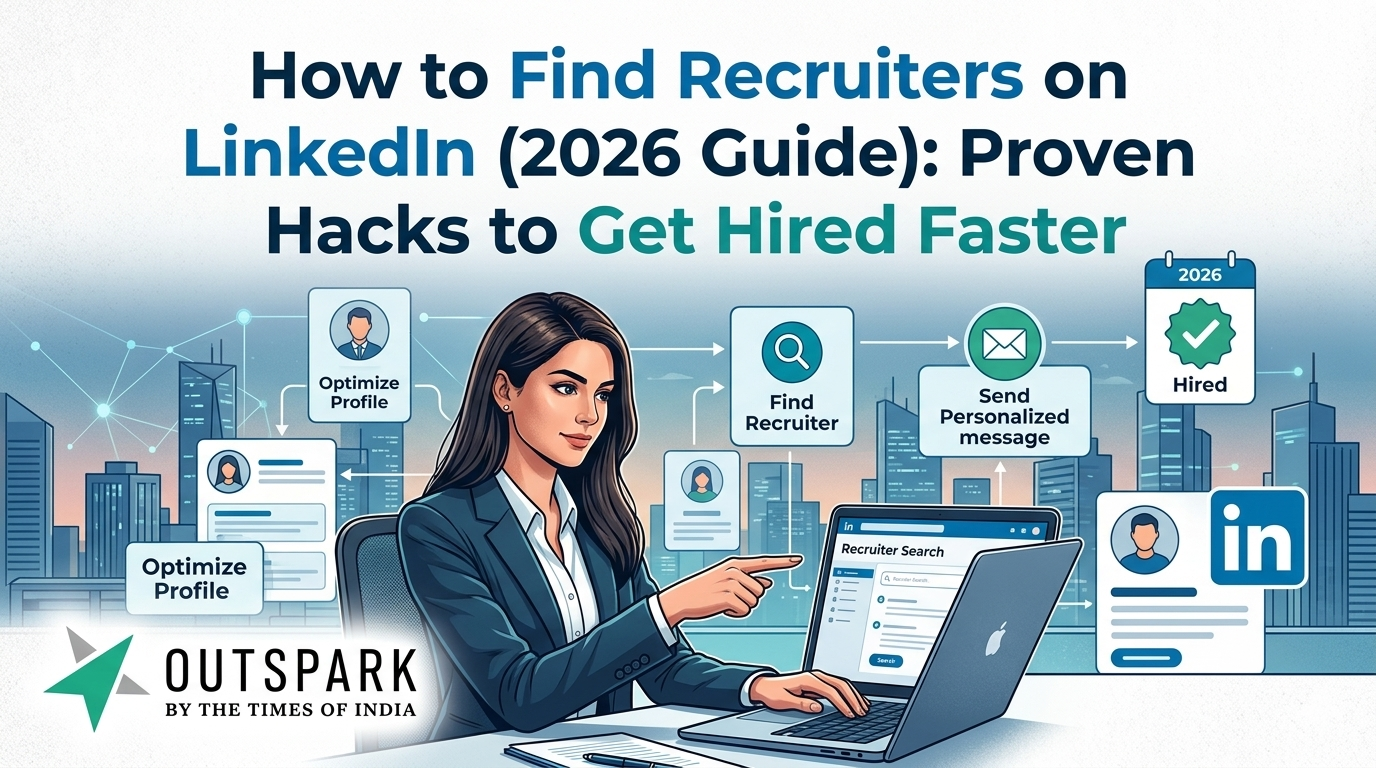
If you still think of LinkedIn as a place to share your resume or connect with people you are missing out on how hiring really works.
Today LinkedIn is like a library where recruiters look for people with the right skills. They use keywords, filters and computer tools to find profiles that match what they are looking for.
This guide will help you understand:
- How LinkedIn works like a search engine
- What words recruiters use to find candidates
- Tools recruiters use to find people
- Why jobs are filled before they are even posted
LinkedIn Is No Longer Social Media. It’s a Search Engine
LinkedIn has over 1 billion users and is the place for recruiters to find new hires.
Here are some important facts:
👉This tells us that LinkedIn is not about posting—it’s about being found.
Recruiters do not scroll through posts like users do. Instead they:
- Enter keywords
- Apply filters
- Use search tools
- Shortlist candidates
👉Your profile is like a search result page.
How LinkedIn Search Works
LinkedIn uses a computer algorithm that looks at profiles to see how well they match what recruiters are searching for.
It checks:
- Your headline
- Skills
- Job titles
- Experience
- Certifications
Profiles are ranked based on how they match what recruiters are searching for.
👉LinkedIn says that search results depend on keywords and relevance.
Key Ranking Factors:
- Using the keywords
- Having a complete profile
- Being active, on LinkedIn
- Having a strong network
New systems even use computer tools to understand what recruiters mean not the exact words.
👉This means that even if recruiters do not type keywords LinkedIn still tries to match profiles based on meaning.
How Recruiters Actually Search on LinkedIn
Recruiters do not search randomly. They use strategies.
1. Boolean Search (Core Recruiting Skill)
Boolean search helps recruiters filter candidates precisely.
Example:
(“Data Scientist” OR “ML Engineer”) AND Python AND SQL NOT Intern
This allows recruiters to:
- Combine keywords
- Exclude candidates
- Target niche profiles
2. Keyword Clustering
Recruiters do not search using one keyword; they use variations.
For example:
- “Software Engineer”
- “Backend Developer”
- “Stack Developer”
👉If your profile includes only one version you lose visibility.
3. AI-Powered Search (2026 Shift)
Recruiters now use AI tools. They:
- Paste job descriptions
- Let AI generate search queries
- Find candidates based on intent
LinkedIn reports:
- 93% of recruiters plan to increase AI usage in 2026
- 59% say AI helps discover candidates they would not have found
4. Company & Talent Mapping
Recruiters often search candidates working in:
- Competitor companies
- Industries
- Target organisations
👉This helps identify ready-to-hire talent pools.
Keywords Recruiters Use (Industry-Wise Breakdown)
Keywords are the backbone of LinkedIn search.
Here is what recruiters actually search for:
1. Technology Roles
keywords:
- Python, Java, JavaScript
- React, Node.js
- AWS, Azure
- Machine Learning, SQL
👉This matters because tech hiring’s skill-driven. Recruiters rely heavily on tool-based keywords.
2. Marketing Roles
Keywords:
- SEO, SEM
- Performance Marketing
- Google Analytics
- Content Strategy
👉Marketing recruiters prioritize outcomes and tools.
3. Sales Roles
Keywords:
- B2B Sales
- SaaS
- Lead Generation
- CRM (Salesforce, Zoho)
👉Revenue-focused keywords increase visibility.
4. Finance Roles
Keywords:
- Financial Modeling
- Valuation
- Forecasting
- Excel
- Power BI
5. HR & Recruitment Roles
Keywords:
- Talent Acquisition
- Employer Branding
- ATS tools
💡Important Insight:
Recruiters do not search skills; they search:
- Job titles
- Tools
- Industry keywords
- Seniority levels (Senior, Lead, Head)
Tools Recruiters Use on LinkedIn in 2026
Recruitment today is highly tech-driven.
1. LinkedIn Recruiter (Primary Tool)
This is the main platform recruiters use.
Features:
- Advanced filters
- AI recommendations
- Candidate tracking
- InMail messaging
👉LinkedIn Recruiter is considered one of the powerful hiring tools globally.
2. AI Hiring Assistants
LinkedIn now offers AI tools that:
- Identify candidates
- Shortlist profiles
- Automate outreach
Recruiters report:
- Saving 4+ hours per role
- Reviewing better candidates
3. InMail (Direct Outreach)
Recruiters contact candidates directly using InMail.
Stats show:
4. External Search (Google + LinkedIn)
Recruiters also use Google like this:
* site:linkedin.com “Product Manager” AND “Fintech”
👉This expands search beyond LinkedIn’s algorithm.
The Biggest Shift in 2026: Jobs Are Filled Before Posting
This is the important change in hiring.
👉Many roles are now filled before they are even posted.
Data shows:
- Over 95% of recruiters use LinkedIn to source candidates
- Recruiters actively build pipelines before openings
Why This Is Happening
1. Proactive Hiring
Recruiters do not wait anymore; they search continuously.
2. AI & Speed
Hiring is faster due to AI tools and automation.
3. Talent Competition
👉So they act fast and secure candidates early.
What This Means for Job Seekers
By the time a job is posted:
- Candidates may already be shortlisted
- Interviews may already be happening
- The role may already be filled
👉Applying is no longer enough.
SEO Strategy for LinkedIn Profiles (How to Rank Higher)
Treat your LinkedIn profile like a webpage.
1. Optimize Your Headline
Include:
- Job title
- Skills
- Industry keywords
Example:
“Data Scientist | Python | Machine Learning | SQL”
2. Use Keywords Across Sections
Add keywords in:
- Headline
- About
- Experience
- Skills
3. Focus on Skills & Tools
Recruiters search tools heavily:
- Software
- Platforms
- Certifications
4. Stay
Profiles with activity get more visibility.
5. Complete Your Profile
Complete profiles rank higher in search.
Final Thoughts: Visibility Is the New Resume
The hiring landscape, in 2026 has changed dramatically.
Recruiters search, not wait.
AI is driving hiring decisions.
Keywords determine visibility.
Jobs are filled before posting.
👉Your LinkedIn profile is your search ranking identity.
If you want to get hired:
- Think like a recruiter
- Use the keywords
- Optimize your profile
Because today:
👉You do not get hired because you applied.
👉You get hired because you were found.